Explore the Community
A Place Defined by Land, Legacy, and Openness.
Clearwater Farms is a rare estate enclave in the West Valley, shaped by irrigated acreage, custom homes, equestrian lifestyles, and a continuing connection to Arizona's agricultural history.
Community Overview
Estate-scale living inside the modern West Valley.
Located in the Citrus Park area of unincorporated Waddell, Clearwater Farms offers a lifestyle increasingly difficult to find within metropolitan Phoenix: large irrigated parcels, estate setbacks, custom homes, and direct access to the outdoors.
The community is managed through Clearwater Farms POA IV, V, VI, VII and includes 115 estate properties distributed across two primary streets, with a broader surrounding area sharing a similar agricultural and equestrian character.
While the surrounding 303 corridor continues to grow, Clearwater Farms remains intentionally distinct — private without being isolated, spacious without being remote, and deeply rooted without being outdated.
115
POA-Managed Properties
1–3 AC
Estate parcel range
90%
Approximately 2-acre parcels
RU-43
Estate-scale zoning
What Defines Clearwater Farms
Not a subdivision. A collection of individual estates.
Irrigated Acreage
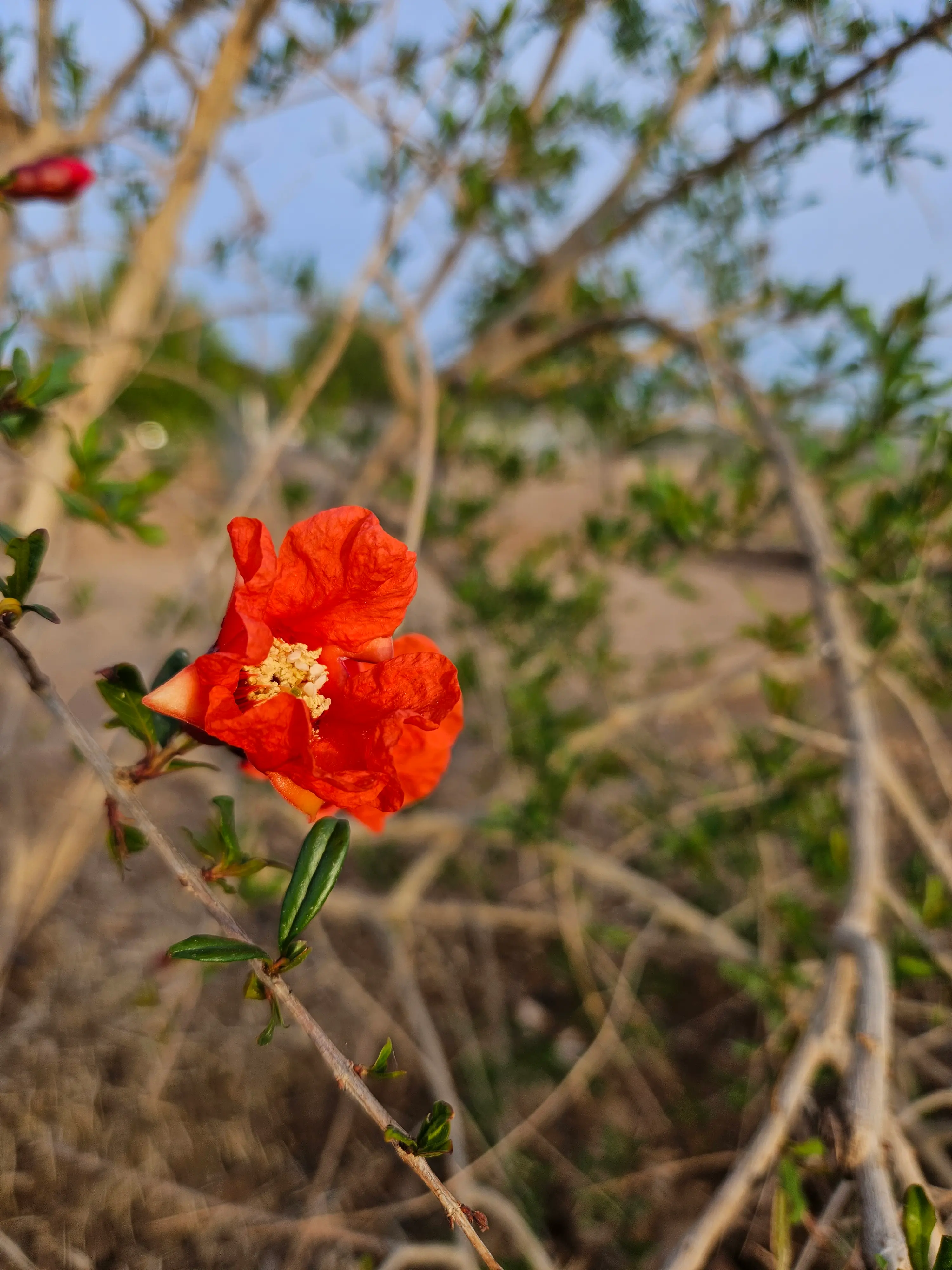
Flood irrigation remains central to the identity and visual character of the community, supporting pasture, mature landscaping, gardens, and estate-scale land use.
Custom Homes
Every home is unique, with architectural styles ranging from modern desert and territorial to farmhouse, ranch, and hybrid Southwest forms.
Equestrian Lifestyle
Horse facilities, irrigated pasture, custom fencing, and outdoor utility spaces reinforce the community's agricultural and equestrian roots.
Mountain Orientation
The nearby White Tank Mountains shape the visual experience of the community, offering sunrise and sunset views, hiking, biking, and horseback riding access.
Quiet Privacy
Estate setbacks and large parcels create calm, silence, and separation while still maintaining connection to regional services and amenities.
Ownership Culture
Clearwater Farms is shaped by residents who actively maintain, improve, and personalize their properties as a reflection of lifestyle and stewardship.
Life Here
A lifestyle created through property, not programming.
Clearwater Farms does not depend on a clubhouse, resort amenities, or manufactured social programming. Life here is shaped by the land itself.
Residents may keep horses, maintain workshops, tend gardens, manage pasture, walk quiet roads at sunrise, or simply enjoy the openness and silence that come from estate-scale living.
Community interaction is friendly and organic. A wave from a neighbor, a morning walk, a shared concern for preservation — these small moments define the culture more than formal programming does.
Location & Access
Private without isolation.
Clearwater Farms sits near the White Tank Mountains and the rapidly evolving Loop 303 corridor, placing estate living within reach of schools, retail, recreation, services, and regional transportation.
Loop 303 Corridor
White Tank Mountains
Prasada Retail Area
Canyon View High School
The history of Clearwater Farms belongs to a larger story of water shaping the West Valley—first through the development of irrigated agriculture, and later through the growth of communities whose water supplies remain connected to the ground beneath them. Orchards, canals, railroad sidings, and residential acreage represent successive chapters in that story. Following their connections reveals how the area around Citrus Park participated in the region’s development and why its irrigation heritage still matters.
William H. Beardsley joined his brother George’s Agua Fria irrigation undertaking in 1892, beginning a pursuit that would occupy the rest of his life. Financial difficulties and other setbacks repeatedly delayed the project. His son, Robert Beardsley, helped advance the enterprise and continued after William’s death in December 1925. Working with contractor Carl Pleasant and irrigation district leaders, Robert helped bring the undertaking into its construction phase. Pleasant Dam, later known as Waddell Dam, was completed in October 1927, with canal work continuing afterward. The resulting reservoir and delivery system established infrastructure for agricultural development northwest of Phoenix. Historic American Engineering Record: Waddell Dam
Water alone could not bring a harvest to market. Local historian Karen Krause records that the Santa Fe Railway added a twelve-mile agricultural spur in 1928, serving farms and orchards along the Cotton Lane corridor. The Brandon siding at Glendale Avenue later became known as Citrus Park, a name associated with grapefruit orchards and a cannery on Citrus Road south of Northern Avenue. Irrigation and rail transportation together connected local agricultural production with a wider economy. Much of the tracks have been removed in the last 20 years. The last remnants exist as the slight rise and ka-thump thump ride between the intersection of Cotton and Glendale and the Post Office to the West. “Rail Lines in Waddell”
Contemporary publications show Citrus Park’s place in that economy. In August 1938, Arizona Highways identified Citrus Park among the expanding citrus districts northwest of Peoria and described a large cannery there. A November 1948 advertisement in Arizona Grocers promoted Ariz‑Sweet grapefruit juice from Sunset Citrus Products Company at Citrus Park. These records preserve evidence of a community involved in growing fruit, processing it, and selling a finished product. Citrus Park formed part of the agricultural foundation on which the West Valley developed. Arizona Highways, August 1938, Arizona Grocers, November 1948, page 23
Working families gave this agricultural landscape its community life. Drawing on photographs and recollections supplied by Doris Andrews Shankle, Krause describes Elmer and Mary Andrews arriving in 1935 and working in the Clearwater Farms area, then known locally as Citrus Park. Their experiences included living in a farm camp and employment at the grapefruit cannery. After returning to Arizona in 1947, they provided religious services and assistance to farmworker families. Their story brings the orchards into focus as places where people earned their living, raised families, and helped their neighbors. A keen eye can spot what's left of the houses as you travel West on Glendale. “Rock Houses on Glendale Ave.”
The water sustaining those orchards also participated in a less visible process underground. When irrigation water spreads across land, some supports vegetation and some evaporates, while a portion can move below the roots and eventually replenish groundwater. Together with canal seepage, this irrigation return flow became an important source of recharge in the western Salt River Valley. Beneath the surface, water occupies spaces within layers of sediment, including sand and gravel. USGS studies document how agricultural irrigation substantially increased recharge above natural levels, making irrigation part of both the Valley’s farming history and the history of its aquifers. USGS: West Salt River Valley Aquifer
Those aquifers remain central to life in surrounding communities. Surprise identifies groundwater from the West Salt River Valley as the source of all water delivered by its municipal utility. El Mirage likewise documents reliance on local groundwater. Avondale combines water pumped from the same sub-basin with treated surface water delivered through Phoenix, while Liberty’s Litchfield Park system and EPCOR’s Sun City system, which serves Youngtown, also draw their drinking water from underground. The agricultural landscape and the neighboring communities are thus connected through a regional water system that extends beyond property lines and municipal boundaries. Surprise water report, El Mirage municipal report, Avondale water report, Liberty water report, EPCOR water report
Clearwater Farms’ irrigation heritage belongs within this continuing story: water made agricultural settlement possible, supported the communities that followed, and remains a shared resource requiring care across generations. USGS groundwater assessment, Avondale water report, El Mirage recharge planning
Lifestyle Philosophy
Not amenity-driven. Property-driven.
Clearwater Farms is different from master-planned communities that organize life around clubhouses, gates, and programmed amenities. Here, the property itself is the amenity.
Residents shape their own lifestyle through acreage, irrigation, animals, landscaping, workshops, outdoor spaces, family compounds, and estate-scale privacy.
The result is a community that feels calm, spacious, individual, and deeply connected to the land.
Lifestyle Pillars
A rare rhythm of daily life in metropolitan Phoenix.
Morning Quiet
Early hours often bring dog walks, horse care, irrigation checks, and quiet roads framed by desert light and mountain silhouettes.
Equestrian and Agricultural Living
Family gardens, on property homeowner oriented horse facilities, pasture, custom fencing and large parcels support a lifestyle with deep agricultural and equestrian roots.
Outdoor Stewardship
Residents maintain land, trees, pasture, gardens, and outdoor spaces as part of an active ownership culture.
Workshops & Projects
Many properties support workshops, equipment, hobbies, improvements, and ongoing projects that would be difficult in conventional subdivisions.
Multi-Generational Living
Estate-scale parcels provide flexibility for families, long-term ownership, and properties that evolve across generations.
Connected Access
Residents enjoy the privacy of open property while remaining connected to schools, services, retail, recreation, and the Loop 303 corridor.


Estate Living
Space to live beyond the walls of the home.
In Clearwater Farms, life extends across the property. Long driveways, irrigated pasture, shade trees, barns, workshops, gardens, and outdoor entertaining areas become part of the everyday experience.
The land gives residents room to pursue projects, care for animals, host family, store equipment, and create private outdoor environments that reflect their own priorities.
This is one of the community's strongest lifestyle distinctions: ownership is not only legal. It is practical, visible, and lived every day.
Outdoor Access
The White Tanks are part of the lifestyle backdrop.
The nearby White Tank Mountains provide a daily visual anchor and a natural extension of the community lifestyle.
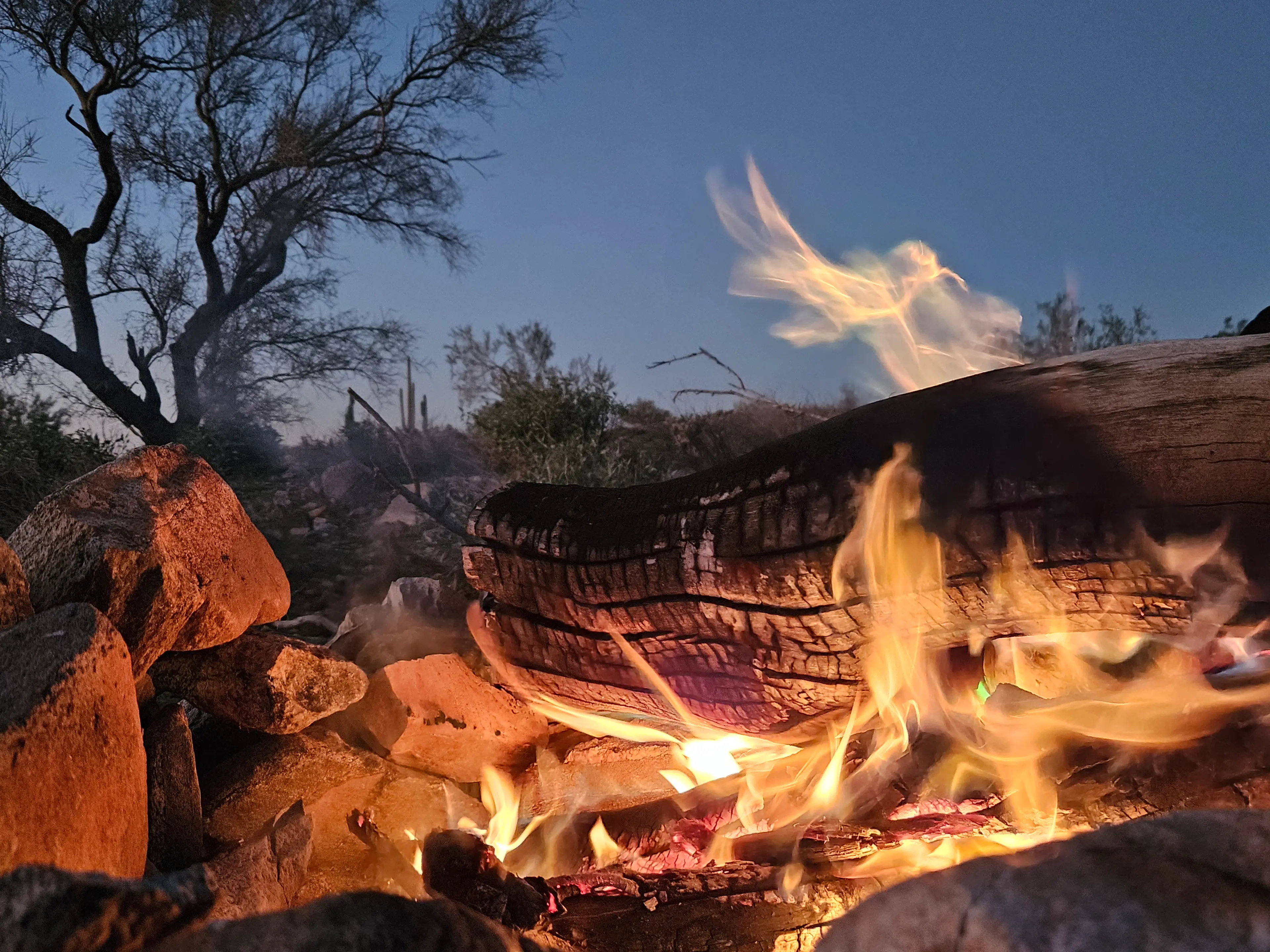
Hiking, mountain biking, horseback riding, desert views, monsoon weather, sunrise color, and sunset silhouettes all contribute to the atmosphere of life in Clearwater Farms.
The surrounding desert reminds residents that the community is not simply near open space — it belongs to a larger Arizona landscape.
Hiking
A defining part of the outdoor rhythm surrounding Clearwater Farms.
Horseback Riding
A defining part of the outdoor rhythm surrounding Clearwater Farms.
Mountain Views
A defining part of the outdoor rhythm surrounding Clearwater Farms.
Desert Weather
A defining part of the outdoor rhythm surrounding Clearwater Farms.
Community Culture
Friendly, independent, and intentionally understated.
Clearwater Farms has a foundational sense of community, but it does not require residents to live socially programmed lives. The culture is respectful, individualist, and rooted in shared appreciation for openness and property stewardship.
Organic Connection
A wave from a neighbor, a conversation on a morning walk, or shared awareness of community preservation often defines the social fabric.
Property Pride
Ongoing maintenance, landscape care, irrigation, fencing, and estate improvements are part of the culture of ownership.
Quiet Prestige
The community does not rely on flashy luxury. Its prestige comes from land, privacy, custom homes, and rarity.
Clearwater Farms
Continue exploring the community.
Discover the homes, landscape, and resident resources that carry this legacy forward.